K-Beauty Ad: “Cheeks Like a Mongolian Baby?”
Khulan M.
February 23, 2026
February 23, 2026
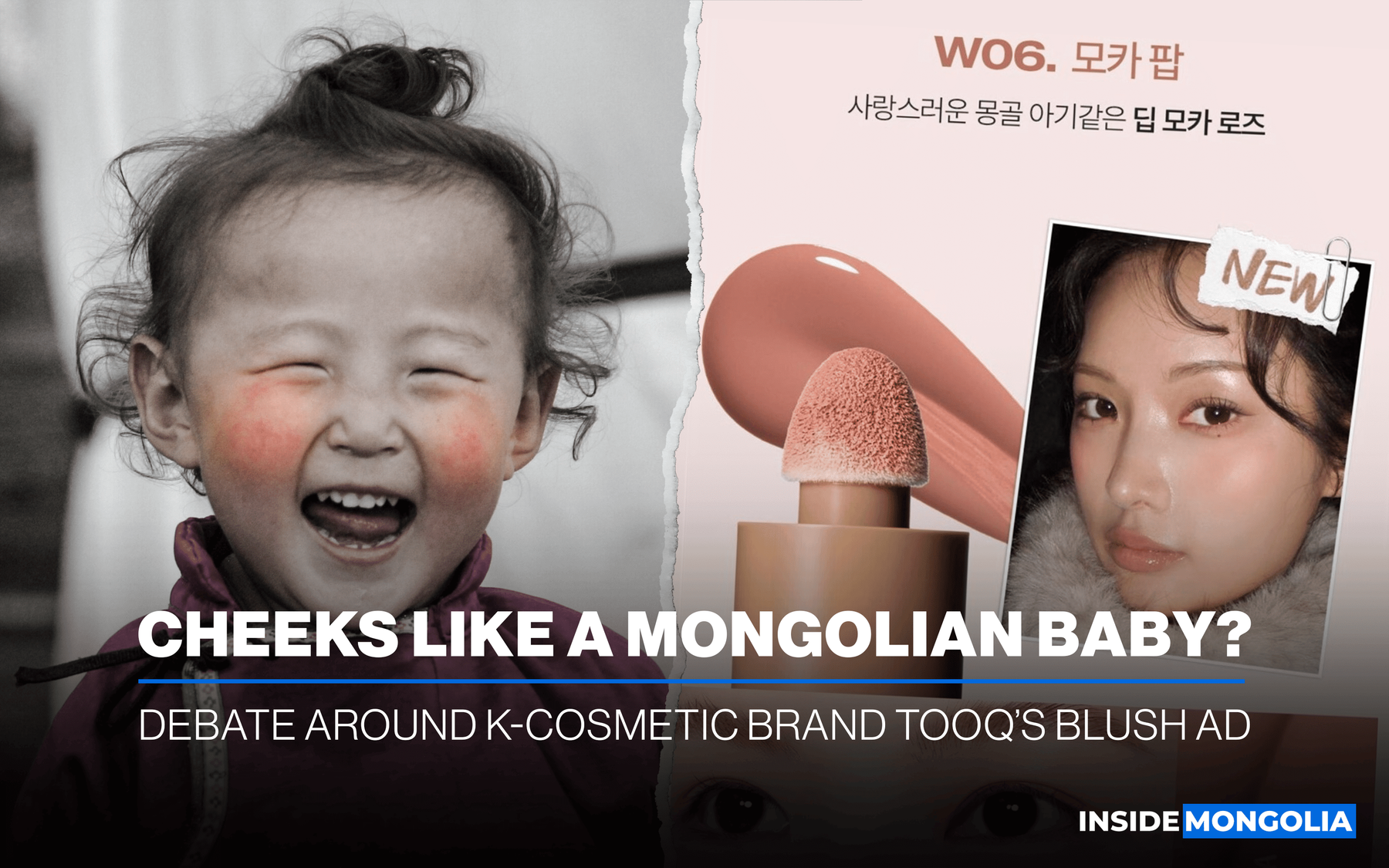
A seemingly innocuous product description for a blush shade has ignited a cross-cultural debate, highlighting the pitfalls of global marketing in the age of social media.
🤔 What Happened?
In December 2025, South Korean K-beauty brand Tooq launched its Water Cream Color Blusher line, featuring 9 shades. For the warm-toned "Mocha Pop" (W06), the marketing copy read "A deep mocha rose like a lovely Mongolian baby." The phrase referenced a stereotype from Korean media documentaries portraying Mongolian infants with rosy cheeks due to harsh weather conditions.
- 💥 The backlash erupted in mid-January when Mongolian digital creator Haliun posted an Instagram Reels video titled "Did a Korean brand just stereotype Mongolian kids?" The video, which amassed over 270,000 views, critiqued the wording as outdated and reductive.
- 🧎♀️ Tooq swiftly revised the description to "A lovely deep mocha rose that looks gently warmed by the sun." However, the incident spread across Korean online forums like Theqoo and DC Inside, and media outlets including The Korea Herald and Asian Business Daily covered the story.
Tooq has not issued a formal apology, but the quick edit signals awareness. As debates simmer, the incident serves as a cautionary tale for global brands navigating cultural nuances.
🗣️ What Mongolians and Koreans Are Saying
In Mongolia, reactions are mixed. Some consider the ad racist, while others don’t see any offense. Many highlighted that the picture the brand used featured a Tibetan child rather than a Mongolian one, noting that brands shouldn’t appropriate children from other cultures.
- 😶🌫️ Meanwhile, in Korea, opinions were also divided. Some defended the phrasing as harmless flattery, rooted in affectionate media depictions, while others argued that the brand should have been more careful with its wording, given the growing global influence of Korean cosmetics.
What do you think? Did the brand cross the line, or is it just an innocent misstep?
Comment