When Public Anger Takes to the Streets

Khulan M.
October 5, 2026
October 5, 2026
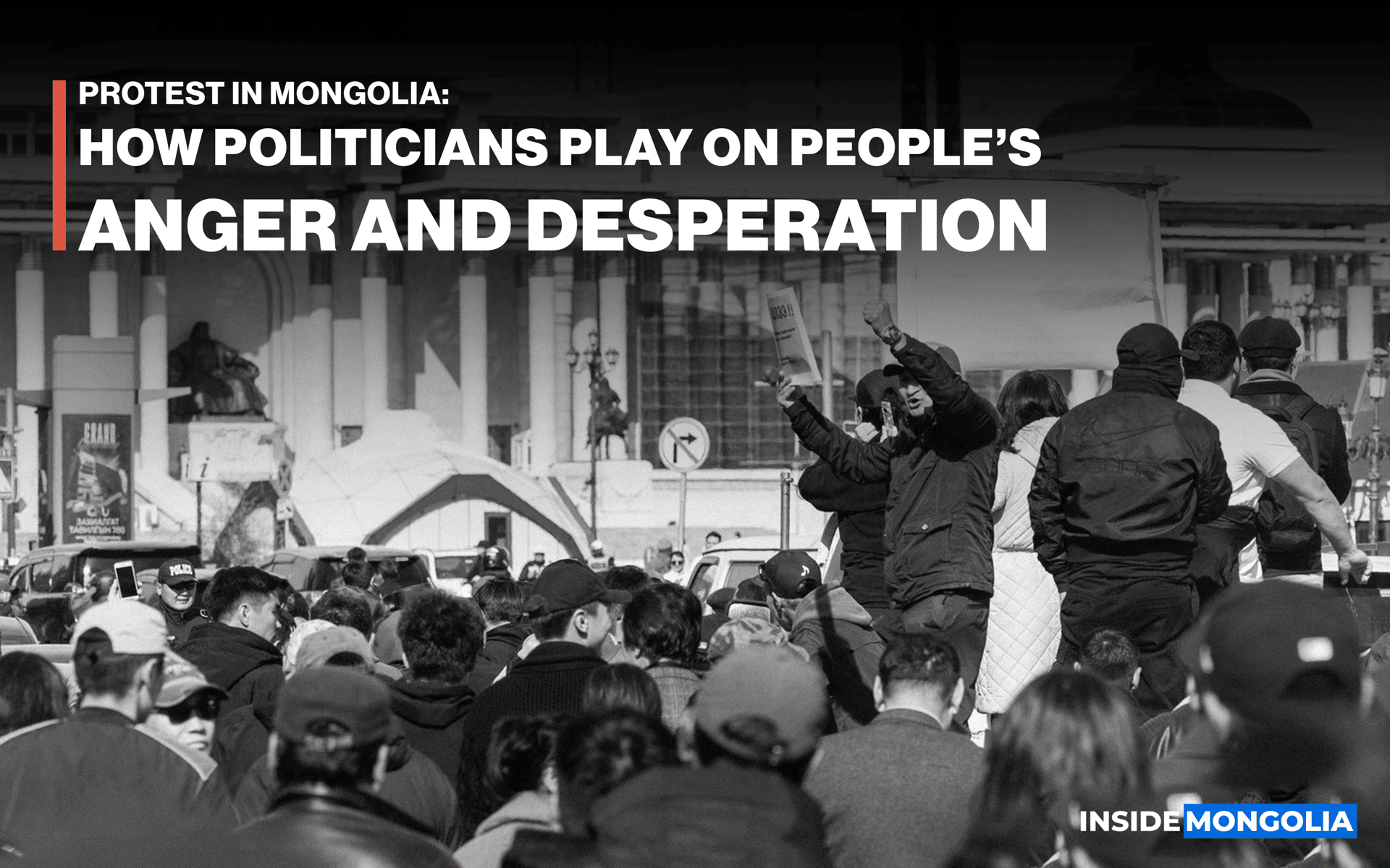
Last Thursday, 2 separate protests took place in Ulaanbaatar. The bigger one saw drivers block the Central Post Office intersection for hours over fuel shortages and rising prices, bringing traffic across the city to a standstill. The other involved university students protesting after their Education Loan Fund scholarships were not paid due to a lack of budget.
⛔ Dead stop
The drivers’ protest forced people to walk several kilometres home, while the Emergency Medical Center received more than 1,400 calls, with road closures delaying more than 10 cases. Yet, no government official came forward to address the protesters or explain how the fuel crisis would be resolved.
😵 When Anger Becomes a Movement
Mongolia has seen major protests over issues including the ₮44 trillion coal theft in 2022 and the demonstrations that preceded former Prime Minister L.Oyun-Erdene’s resignation in 2025. Both drew large crowds around genuine public grievances. But protests can quickly become contested spaces. During the 2025 demonstrations, a separate rally appeared calling for the government to take back the Ukhaa Khudag coal deposit, offering a competing narrative to the original protesters.
- 🕵️ Beyond counter-protests, there are also longstanding allegations of politically organised or paid mobilisation. One pattern discussed in Mongolia is political messaging spreading ahead of demonstrations, followed by organised groups appearing at the protest. Paid participants can also join otherwise organic crowds, making the distinction difficult to draw.
The state’s response adds another layer. Some protests have been dispersed or protesters detained, while others have continued with less intervention, making enforcement itself part of the debate.
🔗 The Deeper Problem
The fuel protest also quickly intersected with institutional politics, as Parliament resumed debate on a stalled budget amendment amid the disruption. An IRI survey in 2024 found that 61% of Mongolians identified cost of living, high prices and unemployment as the country’s biggest problems, while confidence in citizens’ ability to influence national decisions remained low.
The point is not that public anger is manufactured. Genuine anger does not need to be manufactured to become politically useful. Once it enters the political arena, different actors can organise around it, counter it or claim to speak for the crowd.
Comment